Honda HR-V 2026 : Honda’s 2026 HR-V hits U.S. dealerships ready to tackle city streets and suburban adventures with its signature reliability dialed up a notch.
Buyers love how this subcompact SUV squeezes big utility into a parking-lot-friendly footprint, and subtle refreshes keep it competitive without reinventing the wheel.
Sharper Styling Turns Heads
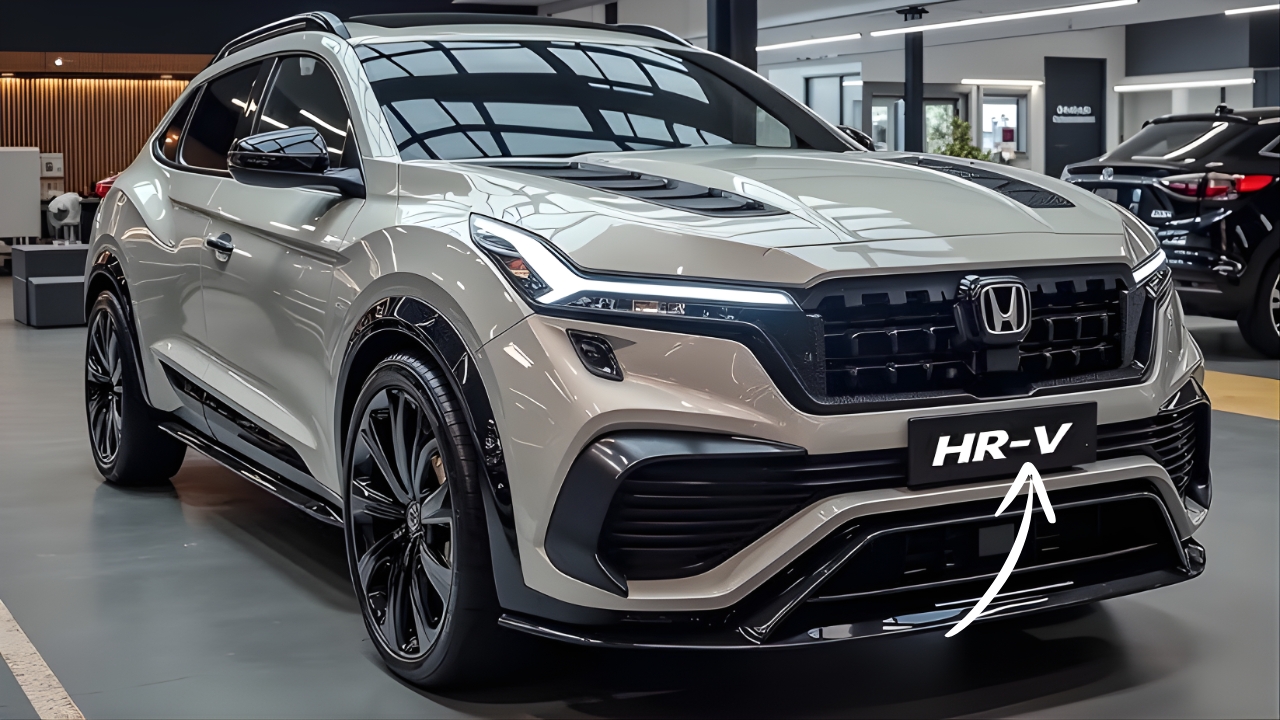
The front fascia gets a bolder grille and slimmer LED headlights that echo Honda’s latest design language, giving the HR-V a more mature, upscale vibe.
Wheel arches flare just enough to hint at off-road grit, while new 18-inch alloys on higher trims add flash without overwhelming the clean lines.
Side profiles stay practical with roof rails standard across the board, perfect for kayaks or ski trips. At the rear, taillights stretch wider for better visibility, and a restyled bumper ties it all together—nothing revolutionary, but enough to make last year’s model feel dated overnight.
Power and Efficiency Balance Act
Every 2026 HR-V packs a 2.0-liter four-cylinder engine making 158 horsepower, mated to a CVT that Honda tuned for smoother shifts and less drone.
Front-wheel drive comes standard, with Real Time AWD optional on all but the base LX—grippy enough for snowy drives without guzzling extra gas.
EPA figures promise 26 city/32 highway for 2WD models, dropping a tick to 25/30 with AWD, which real drivers confirm during mixed commutes.
Dynamic modes like Econ, Normal, and Snow let you tweak throttle response on the fly, making it versatile from rush hour to backroads.
Cabin Comfort Hits Home
Inside, a new 9-inch touchscreen dominates the dash with wireless Apple CarPlay and Android Auto, plus Google built-in for voice searches that actually listen.
Cloth seats in the LX feel durable for dog-hauling families, while leather on EX-L adds a touch of luxury without the premium price tag.
Magic Seats return, folding flat or flipping up to swallow tall items like brooms or golf bags—24 cubic feet behind the seats expands to 55 with them down.
Front seats offer solid bolstering for longer hauls, and quiet cabins thanks to active noise cancellation make podcasts crystal clear.
Tech That Doesn’t Overwhelm
Honda Sensing suite comes standard: adaptive cruise, lane-keeping, auto braking, and traffic sign recognition keep you safe without nagging.
A wireless charger and USB-C ports in back row cater to phone-addicted passengers, while the multi-angle rearview camera nails tight maneuvers.
Sport trim adds a 7-speaker audio system that punches above its weight, and EX-L throws in a sunroof for that open-air feel on sunny drives. Blind-spot monitoring and rear cross-traffic alert join the party, making parking lots less of a gamble.
Safety Smarts Standard Issue
Every HR-V shines with collision mitigation braking that detects pedestrians at night, plus road departure mitigation to nudge you back in lane. Adaptive dampers aren’t here, but the multi-link rear suspension soaks up potholes better than rivals like the Kia Seltos.
Hill descent control and trailer stability assist handle light towing up to 1,000 pounds, ideal for small campers or bikes. IIHS and NHTSA scores hover near perfect, reassuring parents eyeing it for college kids.
Pricing Keeps It Accessible
LX kicks off around $26,000 with basics like an 8-inch screen, keyless start, and alloy wheels—easy lease bait for first-time buyers. Sport jumps to $28,500 with blacked-out trim, bigger wheels, and lane-watch camera, while EX-L at $30,500 layers on moonroof and nav.
AWD adds about $1,500 across the lineup, still undercutting the Toyota Corolla Cross hybrid while matching longevity. Honda’s financing sweetens deals with low APRs amid steady economy, drawing budget-conscious millennials.
Rivals Feel the Heat
Against the Chevy Trax, HR-V wins on space and refinement; Subaru Crosstek can’t touch the fuel economy. Hyundai Kona offers flashier tech but trails in resale value—HR-Vs hold 60% after three years, a wallet-saver.
Mazda CX-30 handles sharper but skimps on rear legroom; Buick Envista looks sleek but lacks AWD punch. Honda’s rep for bulletproof mechanics seals deals when buyers crunch long-term costs.
Driving Dynamics Surprise
On twisty roads, precise steering and agile handling assist make it funner than its grocery-getter rep suggests—curb-to-curb turns in 35 feet rival sedans. Brakes feel progressive, and the electric power steering dials in just right for highways or lots.
Ride quality strikes a sweet spot: firm enough for confidence, plush over bumps for daily grind. Wind noise stays hushed past 70 mph, letting conversations flow without yelling.
Ownership Wins Big
Three years/36,000 miles of free maintenance tops most competitors, and Honda’s dealer network blankets the U.S. for quick fixes. Fuel tank holds 14 gallons for 400-mile range, stretching paychecks in high-gas states.
Warranty matches class at 3/36 basic, 5/60 powertrain, with roadside assist that actually shows up. Custom colors like Canyon River Blue pop on lots, fueling impulse buys.
Why Now for America Honda HR-V 2026
With roads clogged and budgets tight, the 2026 HR-V slots perfectly as the sensible splurge—affordable thrills in EV-curious times. Families ditching sedans find its versatility addictive, from school runs to tailgates.
Also Read this – 2026 BMW X5 Unvealed with Sporty powerful engine, Interior is Upgraded with AI and Cutting edge
This refresh polishes Honda’s formula without gimmicks, doubling down on what works: space, sip-and-go mileage, unbreakable build. In SUV nation, the HR-V proves compact doesn’t mean compromise—it’s your do-it-all sidekick, ready for whatever tomorrow throws. Grab one before waitlists grow; this gem’s set to fly off lots.